ℹ Editorial Resource: Open-access health research & vitality tools. Non-commercial informational portal. Medical Disclaimer
Peer-Reviewed Knowledgebase

Evidence-Based Research & Guides

Comprehensive physiological breakdowns, training protocols, and metabolic nutrition strategies verified by clinical literature.

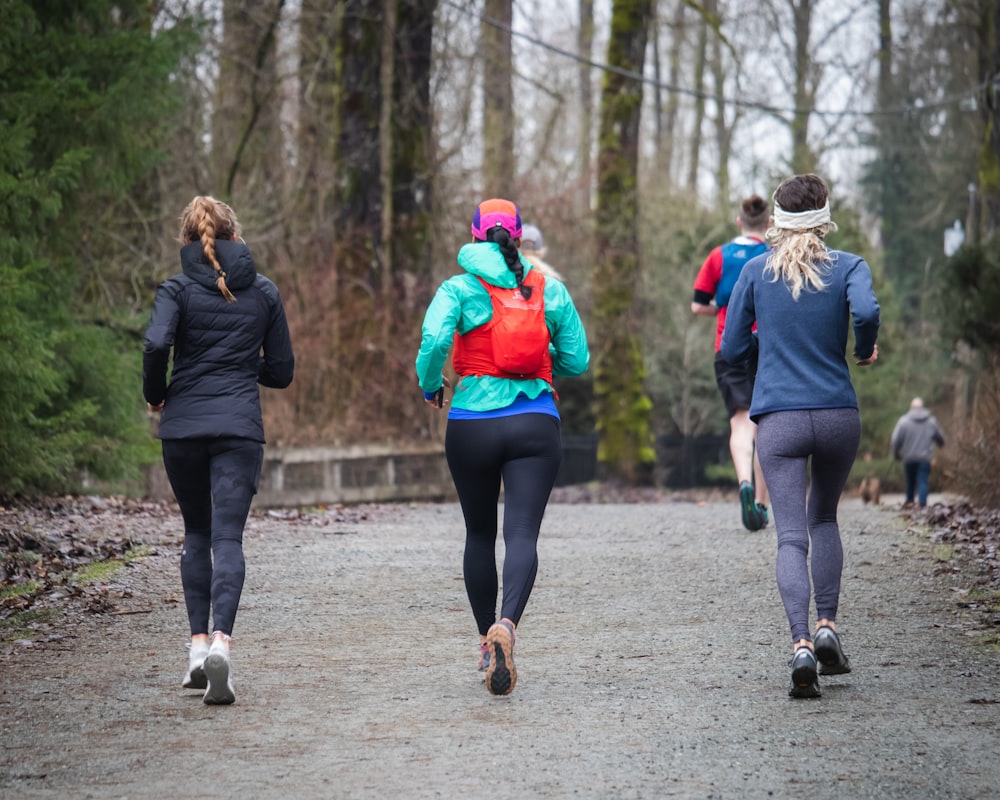
Cardiovascular Zone 2 aerobic training Cardiovascular Physiology
Author: Antoine Werquin 9 min read

Zone 2 Aerobic Base: Cellular Mechanisms of Mitochondrial Biogenesis

Zone 2 training (60-70% max heart rate) represents the intensity where blood lactate clearance equals lactate production. This metabolic state stimulates PGC-1α expression, driving new mitochondrial synthesis and optimizing long-chain fatty acid oxidation.

Key Protocol Guidelines:

• 3 to 4 sessions per week (45-60 min each).

• Maintain nasal breathing or conversational pace.

• Blood lactate benchmark: 1.5 - 2.0 mmol/L.

Ref: San-Millán, I. & Brooks, G.A. (2018). Assessment of Metabolic Flexibility & Mitochondrial Function. Sports Medicine.

Nutritional micronutrients and whole food meal Metabolic Nutrition
Author: Antoine Werquin 7 min read

Micronutrient Synergy: Zinc, Magnesium, and Vitamin D3 Hormonal Cascades

Zinc functions as a catalytic cofactor for over 300 enzymes, including androgen synthesis pathways. Concurrently, magnesium modulates ATP production and regulates NMDA receptor activity for neurological calmness and nighttime recovery.

Nutritional Sources:

• Zinc: Pumpkin seeds, grass-fed beef, shellfish.

• Magnesium: Spinach, dark cocoa (85%+), almonds.

• Vitamin D3: Wild salmon, egg yolks, morning sun.

Ref: Prasad, A.S. (2008). Zinc in Human Health: Effect on Cellular Immunity. Molecular Medicine.
Circadian rhythm and sleep architecture Sleep Architecture
Author: Antoine Werquin 8 min read

Circadian Light Synchronization: Optimizing Melatonin & Deep REM Cycles

Intrinsically photosensitive retinal ganglion cells (ipRGCs) convey photon exposure directly to the suprachiasmatic nucleus (SCN). Morning sunlight sets the peripheral biological clocks, while evening blue light restriction prevents melatonin suppression.

Circadian Action Steps:

• 10-15 min morning outdoor light within 60 min of waking.

• Dim overhead lighting 90 minutes prior to sleep.

• Keep bedroom ambient temperature at 18-20°C (65-68°F).

Ref: Walker, M.P. (2017). Sleep Quality and Metabolic Restoration in Active Adults. Annual Review of Psychology.
Progressive resistance strength training Strength Physiology
Author: Antoine Werquin 10 min read

Mechanisms of Myofibrillar Hypertrophy & Mechanical Tension

Mechanical tension transduced through costameric focal adhesions triggers the mTORC1 signaling cascade. Discover how systematic progressive overload preserves fast-twitch Type IIx muscle fibers and insulin sensitivity as men age.

Training Variables:

• 10-20 weekly sets per major muscle group.

• Intensity: 1-3 Reps in Reserve (RIR).

• 2-3 minute rest intervals for compound lifts.

Ref: Schoenfeld, B.J. (2010). The Mechanisms of Muscle Hypertrophy. J. Strength & Conditioning Research.
High protein clean meal prep Metabolic Nutrition
Author: Antoine Werquin 8 min read

High-Protein Diets & Renal Filtration: What Clinical Trials Conclude

Debunking outdated dietary myths regarding high protein intake. Longitudinal trials demonstrate that dietary protein between 1.6 to 2.4 g/kg is safe for healthy individuals while enhancing thermogenesis, nitrogen balance, and bone density.

Evidence Highlights:

• Glomerular filtration rate (eGFR) remains intact in healthy adults.

• 2.5g+ leucine threshold per meal triggers muscle protein synthesis.

• Maintain adequate hydration (35ml/kg).

Ref: Antonio, J. et al. (2016). The Effects of a High Protein Diet on Renal Health. Journal of the Int. Society of Sports Nutrition.
Active outdoor recovery and mobility Recovery & Longevity
Author: Antoine Werquin 6 min read

Thermal Hormesis: Heat Shock Proteins & Cold-Induced Norepinephrine

Sauna bathing (80-90°C) upregulates heat shock proteins (HSP70) to facilitate protein folding and vascular nitric oxide release. Deliberate cold exposure triggers prolonged norepinephrine elevation and stimulates brown adipose tissue thermogenesis.

Optimal Exposure Protocol:

• Sauna: 20 min at 80°C, 2-3x weekly.

• Cold: 2-3 min at 10-14°C (total 11 min/week).

• Avoid immediate cold plunge post-hypertrophy workouts.

Ref: Laukkanen, J.A. et al. (2018). Cardiovascular and Other Health Benefits of Sauna Bathing. Mayo Clinic Proceedings.

Apply the Research to Your Numbers

Use our interactive physiological calculators to configure your daily calories, protein targets, and heart rate training zones.

Launch Interactive Calculators Hub